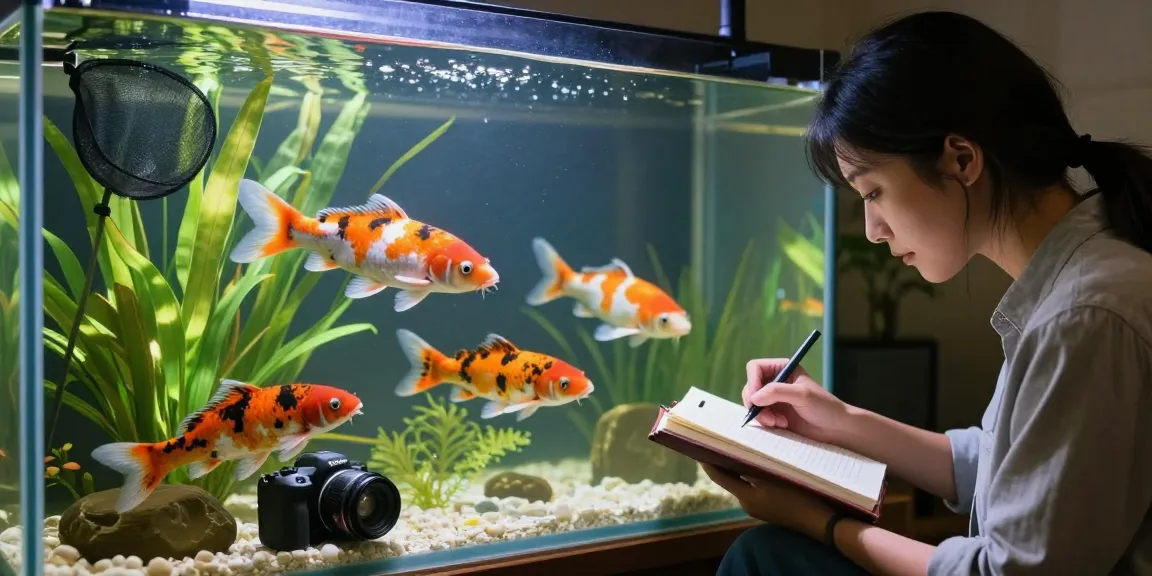
The Essential Role of Nutrition in Koi Health
As koi enthusiasts, we understand that the health of our beloved fish is closely tied to their nutrition. The intricate balance of vitamins, minerals, and protein is essential for their growth, color vibrancy, and overall well-being. However, many koi keepers still rely on outdated knowledge regarding koi feeding practices. As we look towards innovative solutions like KoiAminos, it's crucial to understand the dietary needs of koi and the impact nutrition has on their health.
Understanding Koi Dietary Needs
Koi, being a type of ornamental carp, require a well-rounded diet that caters to their unique biological needs. Their diet should primarily consist of high-quality pellets that include protein, vitamins, and other essential nutrients. The protein component is vital for muscle development and overall growth, especially during the warmer months when koi are most active. A diet containing 30-40% protein is often recommended for optimal growth.
Additionally, koi are omnivorous and enjoy a variety of food sources, including plant matter, insects, and algae. A diverse diet not only ensures that they receive essential nutrients but also helps to enhance their color and promote strong immune systems. Regular monitoring of their feeding habits and adapting to their dietary changes can significantly improve their health.
Common Misconceptions About Koi Feeding
One of the most common misconceptions among koi keepers is that koi can thrive on any type of fish food. In reality, the inappropriate feeding of low-quality pellets or table scraps can lead to health problems. For instance, overfeeding can result in obesity and poor water quality, while underfeeding can stunt growth and lead to a weakened immune system.
Another myth is that koi do not require as much protein during colder months. While it's true that koi have a slower metabolism in colder temperatures, they still need a balanced diet to maintain their health. Adjusting the feeding frequency and portions rather than eliminating protein altogether is the key to successful winter feeding practices.
Choosing the Right Koi Food for Optimal Growth
Selecting the right koi food involves understanding the specific needs of your fish at different life stages. For younger koi, look for high-protein growth foods, while adult koi may benefit from color-enhancing or maintenance formulas. Moreover, seasonal changes should dictate food types; for example, in spring and summer, opt for protein-rich foods, while in autumn, choose food that aids in proper digestion for winter months.
Be mindful of product ingredients and ensure they contain high-quality protein sources like fish meal or shrimp meal. Additionally, avoiding fillers will help enhance the nutritional value of the diet. By choosing premium foods, koi keepers can provide their fish with the best possible nutrition and promote vibrant colors.
Innovative KoiAminos Products on the Market
The marketplace is evolving with innovative products that cater specifically to enhancing koi health through nutrition. One such product is KoiAminos, designed to provide advanced amino acid profiles that promote better digestion, growth, and overall vitality in koi. These products focus on delivering a balanced approach that aligns with the evolving needs of aquatic life.
Overview of Potential Benefits of KoiAminos
KoiAminos stands out due to its tailored formulation that enriches the standard diet of koi. These products offer a host of benefits, including improved digestion and nutrient absorption, which can lead to faster growth rates and enhanced coloration. The inclusion of essential and non-essential amino acids is crucial for koi, as these nutrients are building blocks for proteins that support various bodily functions.
Additionally, the synergy of KoiAminos with traditional koi foods can result in less waste production, which further fosters a healthier pond environment. By improving nutrient availability, koi keepers can expect not only healthier fish but also cleaner water conditions.
Comparative Analysis of KoiAminos vs. Traditional Products
When comparing KoiAminos to traditional koi foods, the differences become apparent. Traditional koi food often falls short of providing balanced nutrition, primarily focusing on basic ingredients that do not address the full spectrum of dietary needs. In contrast, KoiAminos is formulated to include optimal levels of amino acids, which are critically important for koi health. This distinction can lead to more significant improvements in fish growth and color vibrancy, as supported by various user reviews and studies.
Furthermore, while many traditional koi foods may cause fluctuations in water quality due to residue, KoiAminos is engineered to minimize waste and promote more stable aquatic conditions. This feature is particularly important for koi keepers looking to maintain pristine environments for their fish.
Real-World Case Studies of KoiAminos Users
Feedback from koi enthusiasts who have integrated KoiAminos into their feeding regimens reveals impressive results. Many users report noticeable increases in growth rates and vibrant coloration within weeks of introducing the product to their koi's diet. One case study highlights a pond owner who observed a 15% increase in growth rates over three months by incorporating KoiAminos into a balanced feeding plan.
Another koi keeper shared their success story with enhanced water clarity and overall pond health following the switch to KoiAminos. These real-world examples illustrate the potential of KoiAminos to transform the health and vitality of koi in both large and small pond environments.
Best Practices for Feeding Your Koi
Implementing effective feeding strategies is essential for maximizing the health benefits provided by KoiAminos and other koi foods. Establishing a consistent feeding schedule is the first step toward ensuring your koi receive adequate nutrition without the risk of overfeeding.
Establishing a Feeding Schedule
Creating a structured feeding schedule involves observing the weather conditions and water temperature, as these factors influence koi appetite. During warmer months, koi may require feeding multiple times a day, but as temperatures drop, this could shift to once or twice weekly.
It's important to monitor your koi's behavior at feeding times to adjust portions and frequencies accordingly. Ensuring that koi consume all offered food within a few minutes can help prevent overfeeding and maintain optimal water quality.
Techniques for Encouraging Natural Feeding Behaviors
Encouraging natural feeding behaviors can enrich the koi's environment and enhance overall health. Utilizing feeding rings or floating feeding stations can stimulate koi to forage and engage in more natural feeding patterns. Additionally, incorporating vegetables like zucchini or peas can offer varied textures and tastes that promote foraging behavior.
Another approach is to use feeding techniques that mimic natural scenarios. For example, scattering food across different areas of the pond can encourage koi to explore and forage as they would in the wild, keeping them mentally and physically stimulated.
Monitoring Health Indicators After Introducing KoiAminos
Once KoiAminos is included in the diet, closely monitoring koi health becomes crucial. Key indicators of improved health include enhanced coloration, increased activity levels, and optimal growth rates. Additionally, regular checks for signs of stress or disease, such as abnormal swimming patterns or feeding behaviors, can help determine how well the koi are adapting to their new diet.
Keep meticulous records of growth rates and health observations to assess the ongoing effectiveness of KoiAminos in your koi care regimen. This data can provide insights for future adjustments and ensure that your koi remain healthy and vibrant.
Adapting to Future Trends in Koi Care
The koi care industry is rapidly evolving, presenting new challenges and opportunities for koi keepers. Keeping abreast of future trends is essential for maintaining optimal koi health and ensuring a sustainable environment. Innovations in nutritional products, such as KoiAminos, are paving the way for a new standard in koi diet and care.
Predictions for Nutritional Innovations in 2026
As we look toward 2026, we can expect further advancements in koi nutrition. The analysis of koi digestive health and gut microbiota is likely to inform future product formulations, leading to more specialized feeds that can cater to individual needs. Nutritional innovations may include enhanced formulations that integrate probiotics for better gut health and immune support.
Additionally, with the rise of sustainable practices, there’s a potential shift toward using organic and natural ingredients, reducing the reliance on artificial additives. Such trends may also promote healthier koi and better water quality in ponds.
Environmental Considerations in Koi Keeping
Incorporating environmental considerations into koi care becomes increasingly important as we acknowledge the impacts of climate change. Sustainable pond maintenance practices, including eco-friendly filtration systems and responsible feeding practices, can help preserve aquatic ecosystems.
Fishing feed sourcing will also be scrutinized as consumers raise awareness about the origins of ingredients. A shift toward transparency in product sourcing will further encourage the use of high-quality, responsibly sourced ingredients, aligning with the values of the koi-keeping community.
Expert Insights on Future of KoiAminos
Experts predict that KoiAminos will continue to expand its presence in the koi care market due to its innovative formulations and proven benefits. The focus on tailored nutrition, alongside advancements in fish health science, will ensure that products like KoiAminos remain at the forefront of industry trends.
Through continuous research and development, KoiAminos is expected to adapt to the specific needs of koi, allowing for more customization based on individual pond conditions and fish health requirements.
Frequently Asked Questions About Koi and KoiAminos
What are the benefits of using KoiAminos?
KoiAminos provides enhanced nutrition through a balanced amino acid profile, promoting better growth, vibrant coloration, and improved digestion in koi. It can also lead to healthier water conditions.
How often should I feed my Koi with KoiAminos?
The frequency of feeding KoiAminos varies with seasonal changes and water temperature. Typically, koi should be fed 2-3 times a day during warm months and reduced in frequency during colder periods.
Can KoiAminos help improve water quality?
Yes, by enhancing nutrient absorption and reducing waste production, KoiAminos can contribute to improved water quality in your pond.
Are there any side effects of KoiAminos?
When used as directed, KoiAminos is safe for koi. However, overfeeding or sudden dietary changes can lead to digestive upset; it's important to implement gradual transitions.
How to transition my Koi to a KoiAminos diet?
To transition your koi to a KoiAminos diet, gradually mix the new food with their current food over a week. This approach allows them to adjust without digestive stress.